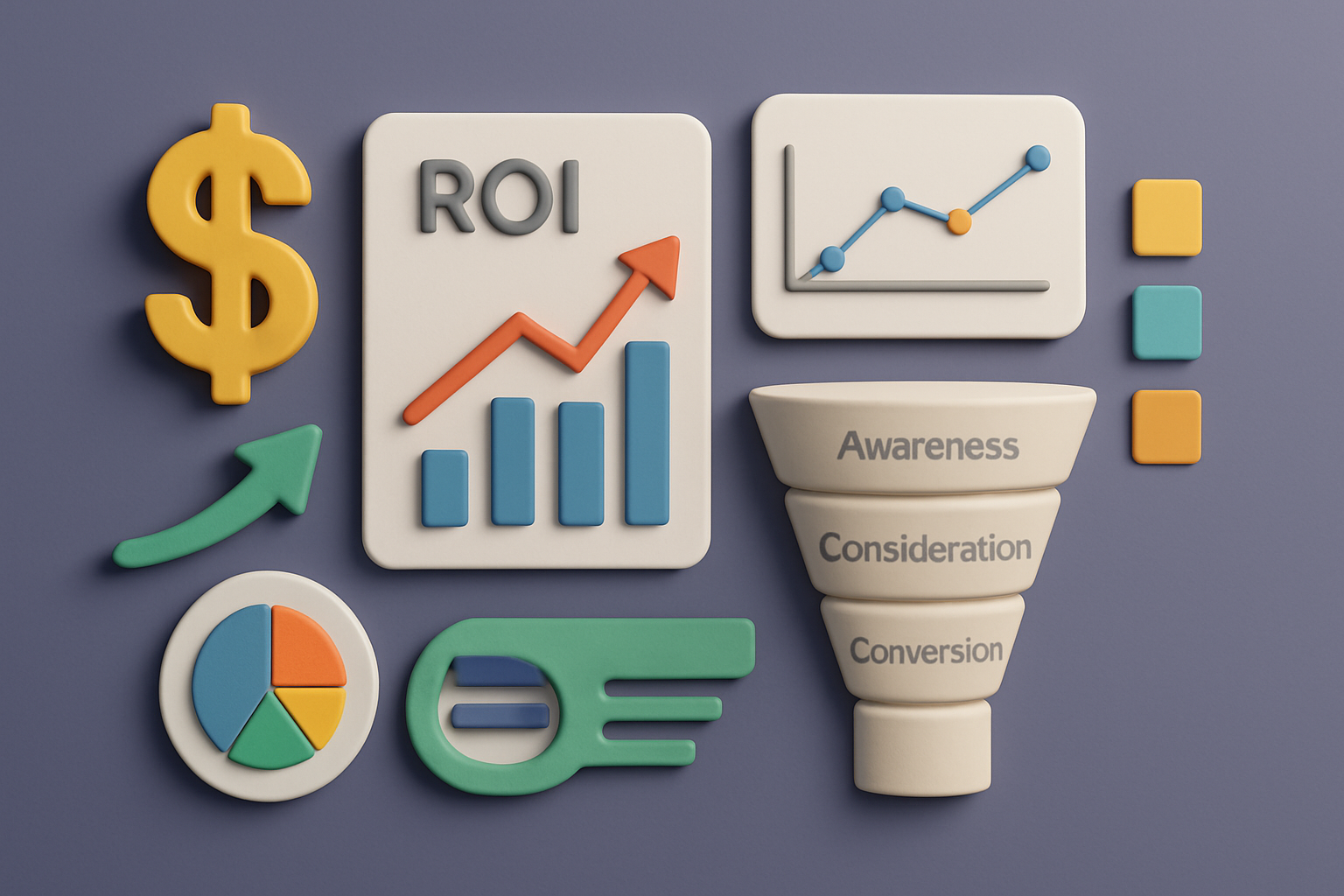

Small and medium businesses do not need more noise; they need clarity that drives revenue. This guide delivers SEO-friendly articles about digital marketing for small and medium businesses, focused on real problems and practical solutions for social media growth, branding, Google Ads, website optimization, and online visibility. You will find step-by-step tips you can apply today, along with strategic insights to help you decide when to bring in professional support.
Think of this as a roadmap from scattered tactics to a cohesive engine for growth. As you move through each section, you will learn how to prioritize, measure what matters, and build momentum across channels without burning through your budget or your time.
Why Consistent Digital Marketing Matters for SMB Online Visibility
Digital marketing compounds, much like interest in a savings account. When you align branding, content, social media, and ads with a clear strategy, each piece strengthens the other and lifts your online visibility. That consistency is what turns a one-off campaign into a sustainable pipeline of leads.
In practice, this means your messaging is recognizable, your search presence expands, and your social audiences engage more often. Over time, your cost per acquisition drops, and your reputation grows sturdier than competitors who rely on sporadic promotions.
Social Media Growth Strategies for Small and Medium Businesses
Social media growth starts with focus, not volume. Choose platforms where your audience already spends time and where your content format shines, whether short-form video, carousels, or thought leadership posts. For many SMBs, that means a blend of Instagram, Facebook, LinkedIn, and occasionally TikTok or YouTube Shorts.
Next, build content pillars that map to your buyer journey. For example, mix educational how-tos, behind-the-scenes culture, customer stories, and product use cases. This variety creates frequency without fatigue and helps algorithms understand and surface your content.
Calibrate Messaging and Content Rhythm
Establish a simple weekly cadence you can sustain for 90 days. Two educational posts, one testimonial or case study, one lifestyle or team feature, and one product or service spotlight will often outperform ad-hoc posting. Keep captions concise and actionable, and always include a soft next step.
As engagement grows, layer in live sessions, AMAs, or collaborations with complementary brands. These expand your reach and build trust at the same time, which is essential for service-based SMBs.
Community Engagement and User-Generated Content
Growth accelerates when your customers become part of the content. Encourage reviews, photo shares, and simple before-and-after posts. Acknowledge and reshare, and you will multiply your reach without increasing your production costs.
To spark participation, offer small incentives, run themed prompts, and feature a monthly community highlight. This approach improves both your content pipeline and your reputation signals to new visitors.
Measure the Metrics That Matter
Watch engagement rate, saves, shares, and click-through rather than follower counts alone. These indicators correlate more closely with leads and revenue. Apply insights to optimize posting times, creative styles, and CTAs.
If organic traction stalls, test small paid boosts. Promote posts that already perform well and use precise audience targeting to avoid waste.
Branding Foundations That Power Performance Marketing
Branding is not just a logo; it is the set of cues that make your business easy to recognize and trust across channels. Strong brand systems reduce ad costs, improve conversion rates, and turn satisfied buyers into advocates. For SMBs, even a lean brand toolkit can make a big difference.
Start with a concise positioning statement that answers who you serve, the problem you solve, and why your approach is different. Then standardize your voice, color palette, typography, and image style so everything feels connected.
Build a Messaging Matrix
Create three core messages that address value, proof, and risk reduction. Value clarifies outcomes, proof brings evidence like case studies, and risk reduction answers concerns about price, timing, or complexity. Rotate these messages through ads, social, emails, and service pages.
When your messaging is consistent, your audience takes fewer steps to say yes. The result is a shorter sales cycle and more efficient campaigns.
Reputation Management and Social Proof
Reviews are the lifeblood of SMB growth. Encourage satisfied customers to leave feedback on Google, Facebook, and industry directories. Respond to every review to show you are attentive and transparent.
Repurpose top reviews into website testimonials, carousel posts, and ad copy. When prospects see their concerns reflected and resolved, conversion rates rise.
Google Ads for Small Businesses: Practical Setup for Profit
Google Ads can work profitably for SMBs with the right structure and tracking. Begin by defining your goals and conversion actions, such as form submissions, calls, and purchases. Then organize campaigns around themes rather than mixing too many services in one place.
Use a mix of exact and phrase match keywords, and build a robust negative keyword list to cut irrelevant clicks. This protects your budget while preserving reach for qualified searches.
High-Intent Keywords and Ad Copy That Converts
Prioritize high-intent queries that show readiness to buy, such as near me, price, quote, or best service in your city. Craft ad copy that combines benefits, proof, and a clear next step. Include numbers when possible, like response times, guarantees, or review counts.
Extensions matter. Add sitelinks to top service pages, callouts for differentiators, and structured snippets to showcase categories or features. These improve click-through rate and Quality Score.
Smart Bidding and Conversion Tracking
Install accurate conversion tracking before increasing spend. Set up enhanced conversions, call tracking, and goals in your analytics. Then test automated bidding strategies like Maximize Conversions with target CPA once you have enough data.
Keep a close eye on search terms and adjust negatives weekly. As performance stabilizes, scale budgets gradually and expand into Performance Max with high-quality creative assets.
Landing Pages Aligned to Intent
Send each ad group to a tightly matched landing page with one central CTA. Remove distractions, tighten copy, and place social proof near the action. The tighter the message match, the lower your cost per lead.
Test variants for headlines, hero images, and forms. Small changes in clarity can deliver outsized gains in conversion rate.
Website Optimization: Faster, Clearer, More Persuasive
Your website is the control center for your marketing. For SMBs, speed, clarity, and persuasive structure often matter more than flashy effects. Focus on Core Web Vitals, mobile responsiveness, and clear calls to action.
Reduce image weight, defer nonessential scripts, and adopt modern formats like WebP. Implement caching and a content delivery network to improve load times for visitors across regions.
On-Page SEO Basics for Sustainable Traffic
Write title tags that include your primary keyword and a benefit. Craft meta descriptions that preview value and entice a click. Use H2 and H3 headings to organize content, and naturally incorporate related terms without stuffing.
Strengthen internal links between service pages, blog posts, and location pages. This improves crawlability and helps visitors discover what they need faster.
Conversion Rate Optimization Essentials
Place your primary CTA above the fold and repeat it after key sections. Simplify forms to the fewest fields necessary and provide reassurance near inputs with privacy notes. Add trust badges, reviews, and FAQs to remove friction.
Use a clear visual hierarchy, generous whitespace, and consistent button styles. When users do not have to think, they move forward.
Local SEO and Online Visibility for Service Areas
Local SEO is where many SMBs can outperform bigger competitors. Claim and optimize your Google Business Profile with complete categories, service areas, photos, and regular updates. Post weekly offers or highlights to keep the profile fresh.
Ensure NAP consistency across directories, including your name, address, and phone number. Inconsistencies confuse both users and search engines, hurting visibility.
Review Velocity and Response
Steady, ongoing reviews beat occasional bursts. Ask after successful appointments, projects, or deliveries, and make it easy with short links or QR codes. Reply promptly to every review with gratitude and specifics.
A thoughtful response to a less-than-perfect review can win new customers. Prospects look for how you handle problems, not just praise.
Local Content and Service Pages
Create location-modified service pages that reflect real needs in each area you serve. Include neighborhood references, timelines, and pricing context where appropriate. Support these pages with blog posts that answer local questions and seasonal trends.
Earn local links through partnerships, sponsorships, and community features. These signals elevate your domain authority and map rankings.
Content Strategy: SEO-Friendly Articles That Rank and Sell
Search-optimized content is the engine behind predictable organic traffic. Build topic clusters around your core services, covering problems, comparisons, and step-by-step guides. Interlink cluster articles to a central pillar page to improve topical authority.
Use keyword research to understand intent, then outline with a problem-solution framework. Write short paragraphs, include transitional phrases, and answer related questions users ask. This improves dwell time and reduces bounce rate.
A Repeatable Publishing Process
Adopt a monthly cadence: four educational posts, one case study, and one industry update. Each post should have a clear primary keyword, semantically related terms, and a purposeful CTA. Repurpose your articles into social carousels, email snippets, and short videos to extend reach.
Refresh winners every quarter by adding new data, FAQs, and internal links. Updating existing articles is often faster and more profitable than publishing from scratch.
Trust Signals and E-E-A-T Elements
Demonstrate experience by including photos, process details, and before-and-after results. Add author bios with credentials and links to your profiles. Cite reputable sources and include dates to show freshness.
These elements help search engines and users assess credibility, increasing click-through and conversions from organic traffic.
Analytics and Attribution for Better Decisions
Measure what matters, not everything. Configure GA4 events for key actions, add UTM parameters to every campaign, and implement call tracking for phone-heavy services. This gives you a clean picture of channel performance.
Translate metrics into decisions. If your cost per lead is low but conversion to sale is weak, revisit qualification, offers, and follow-up. If ROAS is strong, consider increasing budgets or expanding winning audiences.
North-Star Metrics for SMBs
Focus on customer acquisition cost, pipeline value, lifetime value, and payback period. These numbers keep your team aligned and identify when to scale or refine. Tie bonuses or milestones to metrics that link directly to revenue.
Dashboards help, but clarity helps more. Review results weekly to fix leaks quickly and monthly to plan new tests.
Budget Planning and a 30-60-90 Day Roadmap
A practical starting budget often allocates spend across creative, ads, and tools. Reserve a portion for testing new formats or channels. Aim for a mix of quick wins and longer-term compounding efforts like SEO and email nurturing.
In the first 30 days, fix foundations: tracking, speed, messaging, and local listings. Days 31 to 60, expand content, launch targeted Google Ads, and systemize social. Days 61 to 90, optimize landing pages, double down on what performs, and prune what does not.
Resource Planning and Tools
Choose a lightweight stack you can maintain. Use a fast CMS, reliable analytics, a keyword tool, and a scheduling platform for social. Keep a shared editorial calendar so your team sees priorities at a glance.
Document standard operating procedures for content, ads, and reporting. Repeatability frees time for creative work that differentiates your brand.
When to Partner With a Digital Marketing Agency
There is a point where DIY progress slows because strategy and execution compete for your attention. An experienced digital marketing agency brings a proven playbook, advanced tools, and specialists across SEO, Google Ads, paid social, analytics, and conversion design. This combination shortens your learning curve and reduces costly trial and error.
The best partnerships are collaborative. You provide industry expertise and timely approvals; your agency brings research, frameworks, and consistent delivery. Together, you can move from sporadic campaigns to a pipeline that grows month over month.
What Partnership Looks Like in Practice
Expect a structured onboarding, a 90-day plan, and clear reporting. You should see a message map, prioritized keyword targets, ad tests, and a CRO backlog. You will also receive guidance on content topics that compound authority and generate qualified leads.
If you are ready to accelerate, start with a strategy session focused on your goals, budget, and timelines. A short discovery call can clarify the highest-impact next steps and whether an agency fit makes sense.
Your Next Three Steps to Build Momentum
First, audit your foundations: tracking, site speed, local listings, and basic on-page SEO. Second, choose one offer to feature across social, ads, and your homepage, and align messaging for the next 30 days. Third, publish one high-value article each week that targets a specific problem your buyers search for, and repurpose it into social and email touchpoints.
With focused effort, the mix of social media growth, cohesive branding, profitable Google Ads, website optimization, and stronger online visibility can turn your marketing from a cost center into a predictable acquisition system. If you want expert guidance without the guesswork, a specialized digital marketing agency can help you move faster and avoid common pitfalls while you keep serving customers.